From Ancient Art to Modern Rights: The Evolving Story of Toplessness
The sight of a woman's exposed torso, particularly her breasts, above the waist, is a concept that has journeyed through a remarkable evolution across history, cultures, and legal frameworks. Known as toplessness, this state of female bareness stands in stark contrast to its male counterpart, barechestedness, which is widely accepted in most societies. What makes toplessness a subject of such varied interpretation – from being a symbol of fertility in ancient art to a battleground for gender equality in modern times – is a complex interplay of social norms, cultural conditioning, and deeply ingrained perceptions of the female body. This article delves into the multifaceted story of toplessness, exploring its historical roots, contemporary manifestations, and the ongoing push for a more equitable understanding.Toplessness Across Cultures and Time: A Historical Perspective
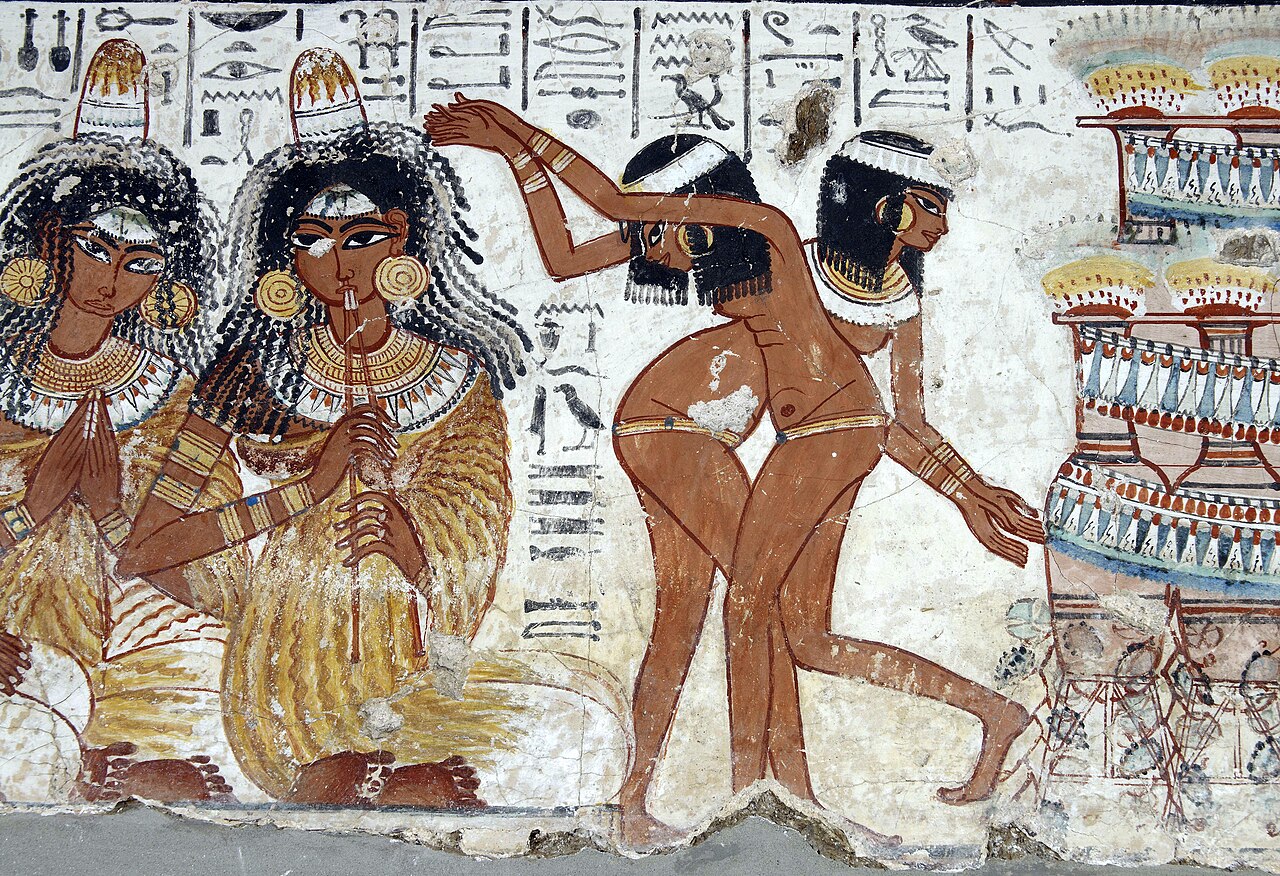
Throughout human history, the perception of female toplessness has been anything but monolithic. In numerous indigenous societies, past and present, the exposure of a woman's breasts, including her areolas and nipples, has been, and remains, a normal and uncontroversial aspect of daily life. For these cultures, often situated in warmer climates or engaged in labor-intensive lifestyles, practical considerations frequently dictated clothing choices, making breast exposure a non-sexualized norm. Anthropological observations from tribal societies in regions like Africa and Papua New Guinea confirm that female toplessness integrates seamlessly into communal life, devoid of the erotic connotations often attributed to it in Western contexts. Artistic and philosophical expressions from ancient civilizations further illuminate this varied historical understanding. From prehistoric fertility goddesses with prominent breasts to the idealized nude forms in ancient Greek sculpture, toplessness frequently appeared, symbolizing vitality, abundance, heroism, or divinity rather than indecency. Greek philosophy, for instance, even advocated for certain levels of exposure for equality, and later, Renaissance art embraced and elevated the nude form, often featuring mythological or biblical figures in states of undress. These depictions underscore a crucial point: the eroticization of female breasts is not a universal instinct but rather a product of specific socio-cultural conditioning. Over centuries, particularly in many Western societies, cultural shifts led to the sexualization of the female form, redefining public toplessness from a natural state to one often deemed immodest or even provocative.The Modern Spectrum of Toplessness: From Beaches to Boardrooms
In contemporary society, the context in which toplessness occurs largely dictates its social acceptance. On one end of the spectrum, recreational toplessness is a well-established practice in many parts of the world. Specific beaches and resort destinations, particularly across Europe and Australia, see women sunbathing or swimming topless, either by statute or by long-standing custom. This practice often reflects a more relaxed cultural attitude towards the body and public nudity. Beyond recreation, toplessness continues to feature prominently in art and visual media, from high-concept photography and painting to film and performance art. Such representations are often defended on grounds of artistic merit, aiming to explore themes of beauty, vulnerability, power, or human experience. Educational, medical, or political reasons can also justify depictions of toplessness, serving to inform, advocate, or challenge societal norms. However, the commercial sphere also embraces toplessness, particularly in erotica, pornography, and adult entertainment venues. From strip clubs to more upscale cabarets like the Moulin Rouge, women perform or appear with exposed breasts, where the intent is explicitly to entertain or arouse. This distinct commercial context significantly shapes public perception, sometimes leading to the generalized association of toplessness with sexual or exhibitionist connotations. It is this very distinction that has led to a linguistic evolution. While "topless" typically describes a woman whose breasts are exposed, leading to terms like "topless model" or "topless bar," its association with sexuality can be problematic for advocates of gender equality. Consequently, the alternative term "topfree" has emerged, deliberately adopted by movements promoting women's legal right to uncover their breasts wherever men may go bare-chested, without the implied sexual or exhibitionist baggage. This subtle shift in terminology highlights the ongoing debate about the interpretation and intent behind female breast exposure.Legal Landscape and the Topfreedom Movement
The legal standing of female toplessness varies dramatically across the globe, reflecting diverse cultural values and moral codes. While certain regions, like many European beaches and parts of Canada, explicitly tolerate or even permit public female toplessness, a stark contrast exists in most U.S. states and many conservative nations. Here, strict modesty norms prevail, often classifying public breast exposure, particularly the visible nipple, as indecent exposure or obscenity, leading to potential prosecution. For a deeper understanding of these global disparities, explore Where is Topless Legal? Navigating Global Topfreedom Laws. This legal disparity forms the core argument of the burgeoning topfreedom movement. Advocates vehemently oppose laws that compel women to cover their breasts in public while men are freely permitted to go bare-chested. Their central tenet is gender equality, asserting that if male nipples are not considered obscene or indecent, neither should female nipples be. They challenge the notion that female breasts, being secondary sexual characteristics, are inherently sexualized to a degree that necessitates public concealment, unlike male breasts. However, the debate surrounding public toplessness is far from settled and often fraught with controversy. Empirical studies occasionally reveal complex public opinions, including findings of greater opposition to female toplessness among some women. This opposition can sometimes be linked to concerns about intrasexual competition, objectification, or simply a deeply ingrained societal comfort level with modesty. The legal challenges, therefore, navigate a complex terrain, balancing egalitarian ideals against long-standing cultural norms and varying societal anxieties. The fundamental anatomical differences between male and female breasts are often cited, yet the true distinction lies in the cultural meaning ascribed to them. To understand this nuanced difference, consider reading Topless vs. Barechested: Unpacking Global Gender Norms.Beyond the Surface: Understanding the Nuances
The discourse around toplessness is far more profound than merely the exposure of skin; it is a critical lens through which we can examine societal views on gender, body autonomy, public space, and morality. The tension between biological signaling and egalitarian ideals underscores the complexity, revealing that the "problem" of toplessness is predominantly a cultural construct, not a biological imperative.Key Considerations and Insights:
- Cultural Conditioning: The perception of female breasts as inherently sexual, and therefore requiring concealment, is largely a result of historical and cultural conditioning, rather than a universal or innate response.
- Autonomy and Choice: For many, the ability to choose whether or not to be topless in public is a matter of personal autonomy and a fundamental human right, challenging paternalistic notions of how women should present their bodies.
- Redefining Indecency: The concept of "indecent exposure" is highly subjective and culturally defined. What is considered offensive in one region might be entirely normal in another, highlighting the arbitrary nature of such laws.
- Intersectionality: Discussions around toplessness also intersect with broader issues of body shaming, objectification, and the policing of women's bodies in public spaces, affecting women of all ages, shapes, and backgrounds.
For individuals considering or encountering toplessness, understanding these nuances is crucial. Always research local laws and customs before assuming permissibility. Engaging in respectful dialogue and seeking to understand differing perspectives can help bridge gaps in understanding and foster a more inclusive public sphere. The debate is not just about the breast itself, but about the deeply rooted implications for freedom, equality, and the right to define one's own body image in a diverse global society.
The evolving story of toplessness from ancient art to modern rights is a testament to humanity's shifting cultural landscape. What was once mundane has become a battleground for gender equality, freedom of expression, and the right to define one's own body. As societies continue to grapple with questions of modesty, public decency, and individual autonomy, the discussion around toplessness remains a powerful symbol of the ongoing dialogue between historical norms and the pursuit of a more equitable and understanding future.